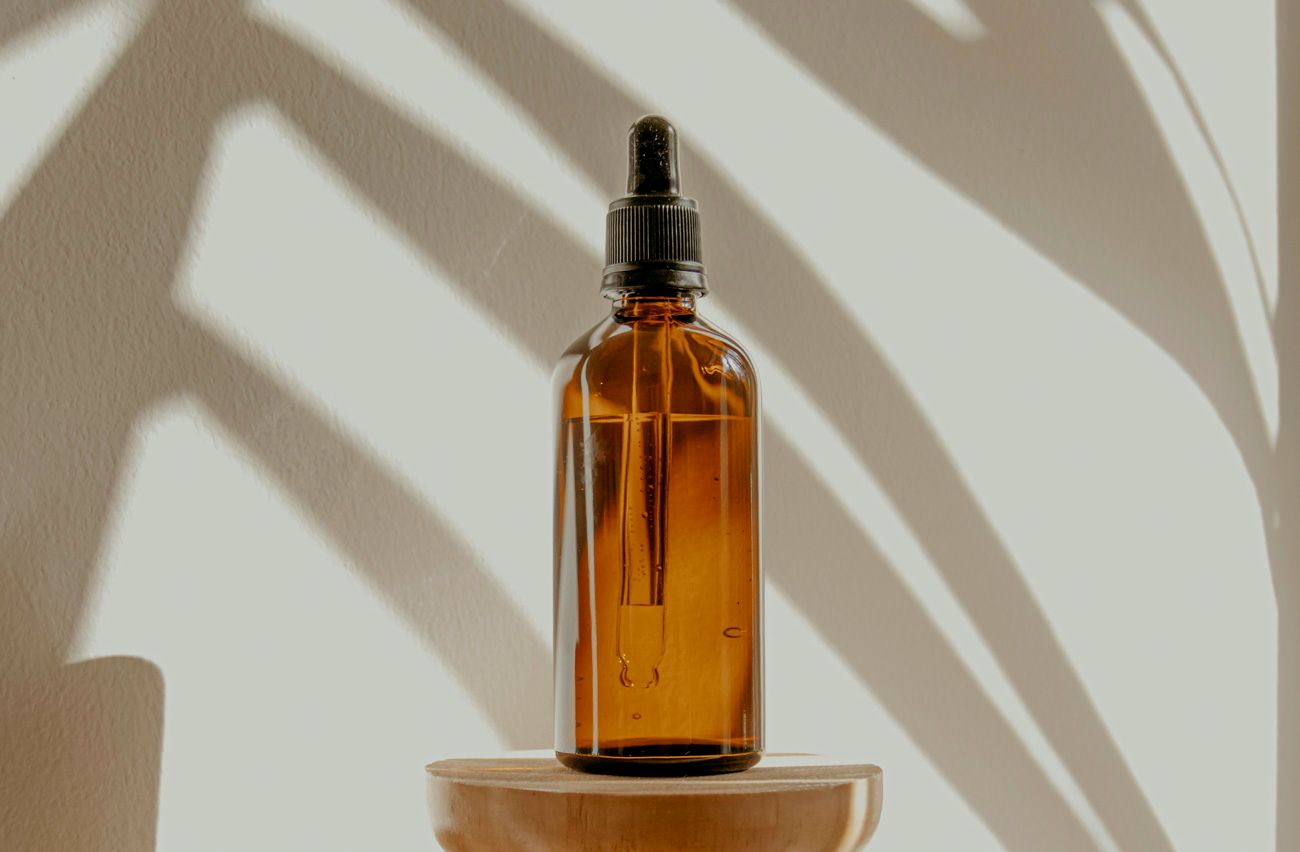
Bitters are a concentrated flavoring for drinks: herbs, roots, bark, and citrus peel steeped in high-proof alcohol until the liquid turns deeply bitter and aromatic. You use them a dash at a time, never more.
The easy way to think about them is as the seasoning of a cocktail. A couple of dashes, and a drink goes from fine to finished. They don't really make a drink taste bitter. They add depth and round out the other flavors, the way a pinch of salt does for food.
What bitters do in a drink
On their own, bitters taste sharp and medicinal. Nobody drinks them straight. In a cocktail, though, that concentrated bitterness balances the sweetness and takes the edge off the alcohol. The Old Fashioned is the clearest case: take the bitters out and it's just sweetened whiskey. Put them back and it's a proper drink.
What's actually in them
Every bottle of bitters is built from two kinds of ingredient. A bittering agent is the backbone, the part that makes them bitter. Gentian root is the classic one. Then come the aromatics, the flavor on top: citrus peel, warm spices like cinnamon and cardamom, sometimes herbs or a little dried fruit. All of it steeps in a neutral high-proof spirit until the alcohol pulls the flavor out.
That's the whole thing, really, which is why they're so easy to make at home.
Types of bitters
Most bitters fall into two camps:
- Aromatic bitters are the all-purpose kind, warm and spice-forward. Angostura is the most famous brand, the one you'll find behind just about every bar.
- Orange bitters are brighter and citrus-forward, common in gin drinks and martinis.
Beyond those, there's a whole modern range: chocolate, celery, peach, and plenty more. But aromatic and orange cover almost everything you'll actually reach for.
Are bitters alcoholic?
Yes. They're made with high-proof alcohol, usually around 40% by volume or more, similar to a spirit. But because you use them by the dash, only a few drops, the amount of alcohol they add to a drink is tiny. That's also why they often sit in the mixer or baking aisle instead of behind the liquor counter.
How to use them
Start with a dash or two, stir, and taste. A dash is a quick shake from the bottle, just a few drops. You can always add more, but you can't take it back out, so go light.
They aren't only for cocktails, either. A few dashes in soda water makes a light, grown-up non-alcoholic drink, and they'll lift a mocktail the same way they do the real thing.
Making your own
Here's the part most people don't expect: bitters are simple to make yourself. You steep a few herbs in high-proof alcohol, wait a couple of weeks, and strain. You end up with something better than most bottles, and you get to decide exactly what goes in it.